



In short: choose dental surgical instruments by the steps of the procedure: extract, raise a flap, trim bone, suture. For each step pick the pattern and size, decide between standard and tungsten carbide where both are listed, and buy only what the clinic can clean, inspect and sterilise between patients.
This guide works through the steps and points to the product group for each.
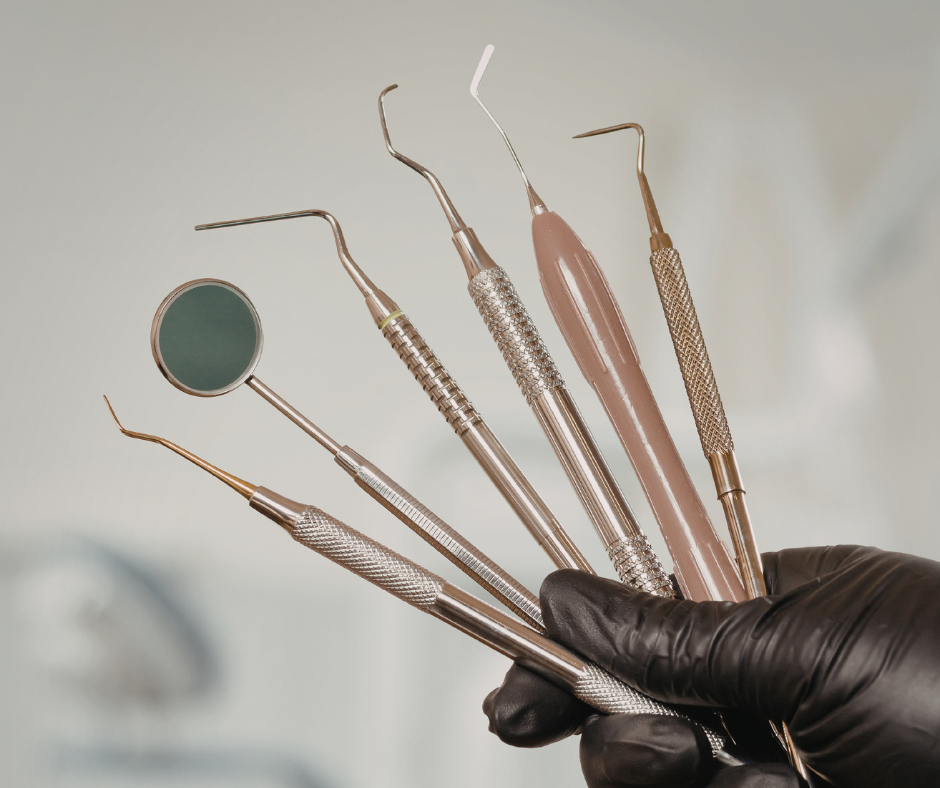
Instruments by step
| Step | Instruments | Groups listed |
|---|---|---|
| Extraction | Extracting forceps chosen by tooth; elevators to loosen the tooth first | English Pattern Extracting Forceps (113), American (78), Children (28); Root Elevators (78) |
| Incision and flap | Scalpel handle; periosteal elevator to raise the flap | Scalpel Handles (13); Periosteal Elevators (12) |
| Bone work | Rongeurs, files, curettes, chisels and a mallet | Bone Rongeurs (21), Bone Files (8), Dental Bone Curettes (10), Bone Chisels, Mallets and Raspatories (13) |
| Retraction and suction | Cheek and tissue retractors; suction tubes | Retractors and Hooks (25); Dental Suction Tubes (7) |
| Suturing | Needle holder, tissue forceps and scissors | Dental Needle Holders (19), Needle Holders TC (44), Dental Scissors (46), Scissors TC (43) |
All of these are groups of Dental Instruments.
Compare like with like
- Pattern and number: an extracting forceps is identified by its pattern (English or American) and its figure number. Compare the same figure.
- Size: length for elevators, rongeurs and needle holders; working-end width where it is listed.
- Straight or curved: many patterns are listed in both.
Standard or tungsten carbide
Needle holders, scissors and dissecting forceps are listed in standard form and with tungsten carbide inserts, in the TC groups. Inserts sit on the jaws or the cutting edges. The trade-offs are set out in stainless steel and tungsten carbide instruments compared.
What to check on delivery
- Forceps beaks meet as the pattern intends, and the joint moves freely without play.
- Elevator tips are even and free of burrs.
- Rongeur and scissor edges close cleanly along their length.
- Needle-holder jaws grip, and the ratchet holds on each step.
- Surfaces are free of stains and rough edges, and the items match the order.
Plan for reprocessing
Count the sets needed between sterilisation cycles before fixing quantities. Follow the instructions supplied with the instruments and the clinic’s own sterilisation procedure, and inspect each instrument before it is packed.
What to put in a quotation request
- The pattern and figure number of each forceps.
- The pattern and size of elevators, rongeurs and needle holders.
- Standard or tungsten carbide, where both are listed.
- The catalogue numbers and quantities.
Frequently asked questions
Which instruments does a dental clinic need for extractions?
Extracting forceps for the teeth treated, elevators, and, for surgical extractions, a scalpel handle, a periosteal elevator, rongeurs or files and suturing instruments.
How do I choose extracting forceps?
By the tooth and by pattern: English or American, each with figure numbers. Order by pattern and figure number.
Are tungsten carbide instruments worth choosing?
They are listed for needle holders, scissors and dissecting forceps. Compare the two forms for the instruments used most.
How many sets should a clinic buy?
Enough to cover the procedures done between sterilisation cycles, with spares for instruments out for repair.
Have a dental instrument list ready?
Send the list to NAZMED SMS in Subang Jaya, Selangor, for a quotation: contact NAZMED SMS, sales@smsindus.com or +60 3-8024 4401.