

Every patient who sits in a dental chair waiting for a tooth extraction carries the same silent fear, not of the procedure itself but of what happens if something goes wrong. What most people never realize is that the outcome of an extraction, whether it is smooth, fast, and pain-free or long, traumatic, and complicated, depends heavily on one factor that almost nobody talks about, the quality and type of instruments the dentist is using. A worn-out elevator, a dull forceps, or a poorly manufactured luxator can turn a routine ten-minute extraction into a nightmare of fractured roots, bleeding gums, and unnecessary follow-up visits. This is not a small detail buried in a dental textbook, it is the difference between a confident, safe clinical experience and a regrettable one. As dental care in Malaysia and across the region grows more advanced, clinics and hospitals are realizing that surgical outcomes are only as good as the surgical instruments behind them, and this is exactly why understanding dental extraction tools has become urgent knowledge for practitioners, procurement teams, and even patients who want to ask the right questions before their next visit.
What a dental extraction toolkit contains
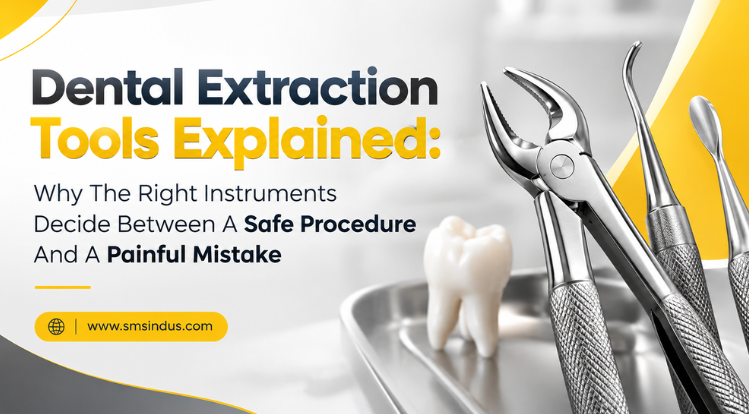
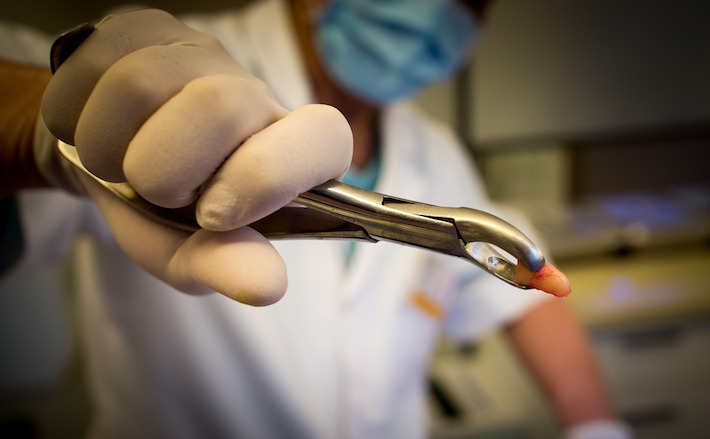
To understand why instrument selection matters so much, it helps to walk through what a dental extraction toolkit actually contains and what each piece is designed to do. Dental forceps are the most recognizable instrument, shaped specifically for different tooth types so the beaks can grip the crown firmly without slipping, and a poorly designed or low-grade forceps increases the risk of crown fracture during extraction. Elevators are used to loosen the tooth from the periodontal ligament before forceps are applied, and their sharpness, angle, and handle grip directly affect how much force the dentist needs to apply, meaning a blunt or badly balanced elevator can lead to excessive pressure on surrounding bone. Luxators look similar to elevators but are thinner and designed to cut the periodontal ligament with minimal bone expansion, making them essential for atraumatic extractions where preserving the socket is important for future implants. Root tip picks are delicate, fine-tipped instruments used to remove fractured root fragments left behind after extraction, and because they operate in such a small, sensitive space, precision engineering is non-negotiable here, since a flexible or poorly tempered pick can snap inside the socket and cause a serious complication.
Supporting instruments: rongeurs, periotomes and more
Beyond the tools most people have heard of, there is a second layer of instruments that quietly determines how safe and efficient the entire procedure will be. Bone rongeurs are used to trim or smooth sharp bony edges after extraction, and if the cutting edges are not properly hardened, they crush bone instead of cutting it cleanly, which slows healing and increases patient discomfort. Periotomes, a more modern and increasingly popular tool, allow dentists to sever the ligament with almost no bone loss, and their rising demand reflects a global shift toward minimally invasive, implant-friendly extraction techniques. Surgical curettes are then used to clean out the socket, removing granulation tissue, cysts, or infection remnants, and this step is critical for preventing dry socket and post-operative infection. Mouth props keep the patient comfortable and the surgical field stable during longer procedures, suction tips maintain visibility by clearing blood and saliva, and needle holders together with scalpel handles complete the toolkit for cases requiring an incision or suturing. Every single one of these instruments works as part of a coordinated surgical system, and if even one piece in that system is substandard, the entire procedure carries elevated risk.
Why instrument quality matters
This is exactly where the conversation shifts from education to something far more urgent for clinics, hospitals, and dental practitioners, the real and measurable danger of using low quality or poorly sourced surgical instruments. Instruments made from inferior stainless steel corrode faster, dull quickly, and are far more likely to fracture under stress, and a broken instrument tip left inside a patient’s socket is a surgical emergency that damages both patient trust and a clinic’s reputation. Poorly manufactured tools also fail to withstand repeated autoclave sterilization cycles, which means microscopic pitting can develop on the surface, creating hidden reservoirs for bacteria that standard sterilization protocols may not fully eliminate. This is not a theoretical risk, it is one of the most preventable causes of post-surgical infection in dental and oral surgery settings. For clinics operating across Malaysia, sourcing dependable surgical medical supplies is not a cost-saving decision, it is a patient-safety decision, and this is precisely the gap that NAZMED SMS SDN BHD was built to close, supplying dental instruments and surgical instruments that meet the demands of real clinical environments rather than cutting corners on materials or manufacturing precision.
Reducing risk starts at procurement
Reducing surgical risk starts long before the patient sits in the chair, it starts at the procurement stage when a clinic decides which supplier and which brand of instruments it will trust for years of daily use. Quality instruments made from properly graded surgical stainless steel maintain their sharpness longer, resist corrosion through repeated sterilization, and hold tighter tolerances so that forceps beaks, elevator tips, and luxator blades perform exactly as designed every single time. This is the standard that the SMS brand has built its reputation on, positioning SMS Surgical Instruments as a trusted name among clinics and hospitals looking for surgical medical supplies that combine durability with precision. When a clinic partners with a reliable supplier of medical products in Malaysia, it is not simply buying tools, it is investing in fewer complications, faster procedures, lower re-sterilization damage, and ultimately safer outcomes for every patient who walks through the door. This is the kind of decision that protects both patient wellbeing and a clinic’s professional reputation, and it is a decision that should never be delayed simply because the risks feel invisible until something goes wrong.
Trends in dental extraction instruments
Looking ahead into 2026 and beyond, the dental instrument industry is shifting in ways every practitioner and procurement officer should be paying close attention to. There is a rising global demand for single-use disposable extraction kits in high-turnover clinics, driven by infection-control pressures and the desire to eliminate any risk tied to repeated sterilization cycles. Ergonomically redesigned handles are becoming standard, reducing hand fatigue for surgeons performing multiple extractions in a single day, while titanium-coated tips are gaining popularity for their extended sharpness retention and superior corrosion resistance compared to traditional stainless steel alone. Atraumatic extraction systems built around periotomes and micro-luxators continue to grow in popularity as more patients seek immediate or delayed implant placement, meaning bone and socket preservation during extraction is now a marketable clinical advantage rather than a niche technique. Digital treatment planning, AI-assisted case previews, and instrument tracking systems are also being integrated into modern oral surgery workflows, helping clinics maintain accountability over instrument lifespan and sterilization history. Clinics that stay ahead of these trends by aligning with a forward-thinking supplier of surgical instruments and dental instruments are the ones positioning themselves as leaders rather than followers in patient care standards across Malaysia and the wider region.
Reviewing your instrument inventory
None of this information should stay theoretical, because every day a clinic continues using outdated, low-grade, or unreliable extraction tools is another day of unnecessary risk to real patients and real reputations. The right time to review your instrument inventory, audit your supplier relationships, and upgrade to dependable surgical medical supplies is now, not after a complication forces the decision. NAZMED SMS SDN BHD stands ready to support dental clinics, hospitals, and healthcare procurement teams across Malaysia with a full range of SMS Surgical Instruments, dental instruments, and medical products built for precision, safety, and long-term reliability. If you are serious about reducing surgical risk through quality instruments, do not wait for a broken tip, a failed sterilization cycle, or an unhappy patient to force the issue. Reach out today, ask the right questions about material grade, manufacturing standards, and sterilization compatibility, and make the switch to a brand trusted for consistency and safety. Visit www.smsindus.com, email sales@smsindus.com, or call +60-3-8024 4401 to speak with the team directly and take the first step toward a safer, more dependable surgical instrument supply chain.
Frequently asked questions
What are dental extraction forceps used for?
Dental forceps grip the crown of the tooth during extraction. Their beaks are shaped for different tooth types so they can hold the crown firmly without slipping.
What does a dental elevator do?
Elevators are used to loosen the tooth from the periodontal ligament before forceps are applied. Their sharpness, angle and handle grip affect how much force is needed.
What are bone rongeurs used for after an extraction?
Bone rongeurs are used to trim or smooth sharp bony edges after the tooth has been removed.
Dental extraction instruments from NAZMED SMS
Browse English pattern and American pattern extraction forceps, root elevators and the full dental instruments range, or contact NAZMED SMS for a quotation.