

An urgent, global, action-driven perspective for modern healthcare systems
Introduction: the unseen backbone of every successful surgery
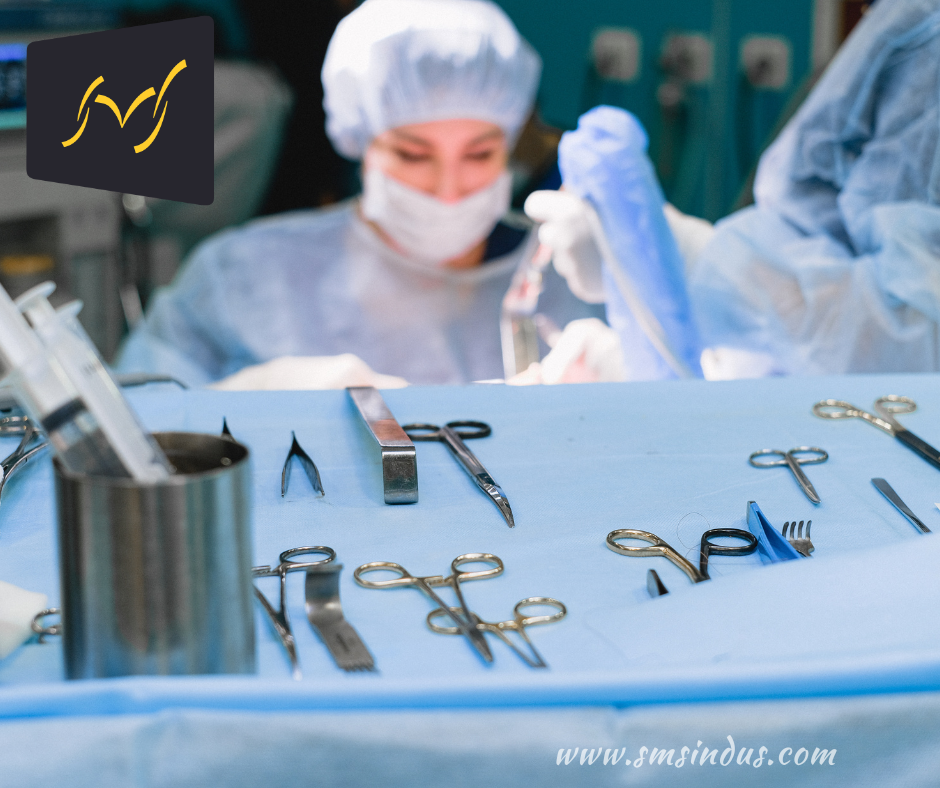
In every operating theatre across the world, there is a silent force that determines whether a surgery becomes a success story or a cautionary tale. It is not only the surgeon’s skill, nor solely the hospital’s infrastructure, nor even the technology displayed on glowing monitors. It is the precision, reliability, and suitability of the specialty surgical instruments in the surgeon’s hands. These instruments do not simply assist surgery. They define its limits, its safety, its efficiency, and ultimately its outcomes.
Hospitals worldwide are facing a defining moment. Patient expectations are rising. Medical procedures are becoming more complex. Regulatory scrutiny is intensifying. Budgets are under pressure. At the same time, medical errors, infection risks, and surgical complications are no longer accepted as unavoidable realities. In this environment, specialty surgical instruments are no longer optional upgrades or background procurement items. They are strategic assets.
This is not merely a technical discussion. This is an urgent call to rethink how hospitals view surgical medical supplies, how procurement decisions are made, and how long-term value is measured. Whether a hospital is a tertiary care center in a major city or a growing facility in an emerging healthcare market, the same truth applies: the right specialty surgical instruments save lives, protect reputations, reduce costs, and elevate standards of care.
For organizations like NAZMED SMS SDN BHD, and trusted names such as the SMS brand, this reality shapes every decision, every design, and every product delivered to hospitals worldwide. As providers of surgical medical supplies, quality instruments, and medical products Malaysia is increasingly known for, the mission goes beyond selling tools. It is about strengthening healthcare systems from the inside out.
Understanding specialty surgical instruments: more than just tools
Specialty surgical instruments are designed for specific procedures, anatomical regions, or medical disciplines. Unlike general instruments, these tools are engineered with extreme precision to perform defined tasks with minimal margin for error. They are used in fields such as cardiovascular surgery, neurosurgery, orthopedics, ophthalmology, dental surgery, minimally invasive procedures, and advanced laparoscopic techniques.
Each specialty instrument reflects deep collaboration between surgeons, engineers, and medical manufacturers. The balance of weight, grip, material composition, and functional design is intentional. Every curve, edge, and locking mechanism exists to solve a problem encountered in real operating rooms.
For hospitals, this means that choosing generic or low-quality alternatives is not a neutral decision. It actively increases risk. A poorly balanced instrument can cause surgeon fatigue. An imprecise tip can damage surrounding tissue. Inferior materials can corrode, fracture, or fail under sterilization stress. These are not abstract concerns. They directly affect patient outcomes.
SMS Surgical Instruments, developed and distributed by NAZMED SMS SDN BHD, are created with this understanding at their core. The focus is not volume, but suitability. Not shortcuts, but consistency. Not short-term savings, but long-term trust.
Why hospitals worldwide cannot ignore specialty instruments anymore
Hospitals operate in an environment where margins are shrinking and accountability is expanding. In this context, specialty surgical instruments become critical for several interconnected reasons.
First, patient safety has become non-negotiable. Global healthcare standards now emphasize zero tolerance for preventable errors. Instruments that fail, malfunction, or compromise surgical precision are unacceptable liabilities.
Second, surgical complexity is increasing. Procedures that once required open surgery are now performed through minimally invasive techniques. This shift demands instruments that are slimmer, more precise, and specifically engineered for narrow access points.
Third, hospital reputation is fragile. In the age of online reviews, international accreditation, and medical tourism, a single adverse surgical event can ripple far beyond the operating room. Specialty surgical instruments play a quiet but decisive role in protecting institutional credibility.
Fourth, cost efficiency is misunderstood. Many hospitals still view procurement through the lens of initial price rather than lifecycle value. However, high-quality specialty instruments last longer, perform consistently, and reduce complication-related costs. Over time, they are not more expensive. They are more economical.
This is where surgical instruments Malaysia has gained growing recognition. Manufacturers and suppliers focused on quality, compliance, and precision have positioned themselves as reliable partners rather than commodity vendors.
The emotional reality inside operating rooms
Behind every surgical procedure is a human story. A patient waiting with fear and hope. A family trusting a hospital with what matters most. A surgeon carrying years of training, responsibility, and pressure.
Specialty surgical instruments are part of that emotional equation. Surgeons develop deep familiarity with their tools. Confidence in an instrument translates into confidence in decision-making. When an instrument feels unreliable, stress increases. When it performs flawlessly, focus sharpens.
Hospitals that invest in premium surgical medical supplies are not only investing in equipment. They are investing in the mental clarity of their surgical teams. That clarity can be the difference between hesitation and decisive action at a critical moment.
The urgency here is real. Healthcare burnout is rising globally. Any factor that reduces cognitive load and physical strain in the operating room is no longer a luxury. It is a necessity.
Specialty instruments and infection control: an invisible battlefield
One of the most pressing challenges facing hospitals worldwide is infection control. Surgical site infections remain a significant cause of extended hospital stays, increased costs, and patient suffering.
High-quality specialty surgical instruments are designed with sterilization in mind. Smooth surfaces, precise joints, and medical-grade materials reduce microbial retention. Inferior instruments, on the other hand, often contain micro-crevices that harbor bacteria even after standard sterilization cycles.
Hospitals that compromise on instrument quality unknowingly increase infection risk. This is a hidden cost that does not appear on procurement spreadsheets but emerges later in infection control reports, patient complaints, and legal exposure.
NAZMED SMS SDN BHD addresses this challenge by prioritizing materials and manufacturing standards aligned with global sterilization protocols. This commitment reinforces why SMS brand products are trusted across diverse clinical environments.
The global shift toward specialization in surgery
Modern medicine is moving toward hyper-specialization. Surgeons no longer perform broad categories of procedures. They focus on highly specific interventions within narrow domains. This trend demands equally specialized instruments.
For example, microsurgery requires instruments with extreme delicacy and balance. Orthopedic surgery demands strength, durability, and precise torque control. Dental procedures rely on ergonomics and fine control within confined spaces, making dental instruments Malaysia a growing area of specialization.
Hospitals that fail to align their instrument inventories with these realities risk falling behind clinical standards. Surgeons may be forced to adapt techniques to inadequate tools, increasing risk and reducing efficiency.
Specialty surgical instruments enable hospitals to attract top talent. Skilled surgeons seek environments where they can perform at their best. Instrument quality becomes a recruitment and retention factor, even if it is rarely discussed openly.
Procurement decisions as strategic healthcare choices
Too often, procurement departments are disconnected from clinical realities. Decisions are made based on cost comparisons without deep consultation with surgical teams. This approach is increasingly outdated and dangerous.
Modern hospitals must treat procurement of specialty surgical instruments as a strategic decision. This includes evaluating supplier credibility, manufacturing standards, compliance certifications, and after-sales support.
Medical products Malaysia suppliers like NAZMED SMS SDN BHD offer more than products. They provide consistency, traceability, and accountability. These qualities matter in audits, accreditation processes, and crisis situations.
The urgency is clear. Hospitals that delay upgrading their surgical instruments risk compounding technical debt in their operating rooms. Over time, this debt becomes harder and more expensive to resolve.The economic case: why quality saves money
At first glance, specialty surgical instruments may appear more expensive than generic alternatives. This perception has led many hospitals to make short-sighted decisions. However, when evaluated over their full lifecycle, high-quality instruments consistently deliver greater value.
They last longer under repeated sterilization. They require fewer repairs. They perform consistently, reducing surgical time. They lower complication rates, decreasing readmissions and legal exposure.
In financial terms, they reduce hidden costs. In human terms, they reduce suffering.
Hospitals worldwide are under pressure to justify every expense. Specialty surgical instruments should not be viewed as cost centers but as risk-reduction investments.
The role of trust in surgical medical supplies
Trust is the currency of healthcare. Patients trust hospitals. Hospitals trust surgeons. Surgeons trust their instruments.
When that chain breaks, consequences follow.
Suppliers of surgical medical supplies carry a heavy responsibility. Every instrument delivered becomes part of a life-critical process. This is why reputation matters.
SMS Surgical Instruments, under the SMS brand, have built recognition by aligning manufacturing precision with clinical needs. This trust is not built overnight. It is earned through consistency, transparency, and responsiveness.
Hospitals that choose trusted suppliers reduce uncertainty. In high-stakes environments, certainty is priceless.
Specialty instruments and the future of minimally invasive surgery
Minimally invasive surgery represents one of the most significant shifts in modern medicine. Smaller incisions, faster recovery, and reduced infection risk have transformed patient expectations.
However, these benefits depend entirely on specialized instruments designed for limited access and enhanced control. Traditional instruments cannot simply be scaled down. They must be reimagined.
Hospitals that wish to remain competitive in surgical care must invest in instruments that support these techniques. This is not a future trend. It is a present reality.
Suppliers of surgical instruments Malaysia are increasingly contributing to this global evolution by delivering precision tools that meet international standards.
An urgent message to hospital leadership
Hospital administrators, clinical directors, and procurement leaders face a choice. Continue treating surgical instruments as interchangeable commodities, or recognize them as foundational elements of patient safety and institutional excellence.
The urgency lies in the pace of change. Medical innovation will not slow down to accommodate outdated procurement models. Patients will not lower expectations. Regulators will not relax standards.
Specialty surgical instruments are no longer a behind-the-scenes consideration. They are part of a hospital’s public promise of care.
Why NAZMED SMS SDN BHD stands at the intersection of quality and responsibility
In a crowded global market, differentiation comes from values as much as products. NAZMED SMS SDN BHD operates with a clear understanding of its role in healthcare ecosystems.
By delivering reliable surgical medical supplies, durable quality instruments, and advanced SMS Surgical Instruments, the organization supports hospitals in meeting both clinical and ethical obligations.
The SMS brand reflects a commitment to consistency, precision, and long-term partnership. This matters to hospitals seeking stability in an unpredictable world.
Taking action: what hospitals must do now
The message is not abstract. It is actionable.
Hospitals must audit their current surgical instrument inventories. Identify outdated, worn, or non-specialized tools. Engage surgeons in procurement decisions. Evaluate suppliers beyond price. Consider long-term performance, compliance, and support.
Delay carries risk. Every procedure performed with suboptimal instruments is a gamble no hospital should accept.
The future of surgery belongs to those who prepare for it today.
Conclusion: the quiet power that shapes surgical outcomes
Specialty surgical instruments rarely appear in hospital marketing materials. Patients rarely ask about them. Yet they influence outcomes more than many visible technologies.
They are the quiet power behind surgical success. The difference between precision and approximation. Between confidence and hesitation. Between recovery and complication.
Hospitals worldwide stand at a crossroads. Those who recognize the strategic importance of specialty surgical instruments will lead the next era of healthcare. Those who do not will struggle to keep pace.
The urgency is real. The choice is clear.